Mostrando entradas con la etiqueta Sotheby's. Mostrar todas las entradas

jueves, 25 de febrero de 2016

I dipinti e le ragioni per l'acquisto più costoso

I dipinti più costose del mondo perché alcune persone pagare così tanto per loro?


Quando ci sono aste d'arte, pubbliche o private, somme favolose sono pagati per un'opera d'arte. Di milioni o decine di milioni di anni circa 25 anni fa, i prezzi ora noti espressi in centinaia di milioni di dollari. Valgono entrambe queste opere davvero?

Un'opera d'arte ha un valore intrinseco che si basa sulla qualità del lavoro, la macchina, i fatti relativi, data di creazione, leggende e altri dettagli propri. valore estrinseco si riferisce al valore di mercato considera anche il valore intrinseco, il margine di profitto stabilito dai venditori dopo un lavoro di marketing che crea e massimizza le aspettative, identificando gli acquirenti e le vendite finali potenziale processo .

Di solito, le gallerie formano una sorta di cartello che ha fissato in segreto, i valori di transazione e persino sembrano agire in modo indipendente, condividono all'interno informazioni su potenziali clienti e altri dettagli. "Produzione" (vale a dire, opere d'arte) gradualmente portarli al mercato.


Nel mercato dell'arte, fornitura è fisso e la domanda è spostato verso destra in modo che l'equilibrio è raggiunto a prezzi più alti. I venditori o concessionari hanno scoperto il meccanismo per provocare la curva di spostare bene ed equilibrare a prezzi molto elevati. Uno è l'identificazione degli acquirenti che non vogliono l'opera d'arte in sé, ma per altri motivi.


La seguente tabella mostra che genuino interesse per l'opera d'arte, il lavoro dell'artista, dalla connotazione emotiva che comporta, è inversamente proporzionale al relitto pagato. Una persona normale può offrire un prezzo sempre più alto per un buon lavoro, ma c'è un limite non superiore. Se non è possibile acquistare con le risorse disponibili, e anche se non è frustrato, non si ammalano di esso.


È anche vero che il più prezioso o costoso è il lavoro, vi è una maggiore piacere per possesso e la possibilità di contemplazione, ma anche c'è un limite di saturazione. Ovviamente un'opera d'arte, pittura e scultura, a basso prezzo non genera tanto soddisfazione come il lavoro più costoso. Nel primo caso, può essere lavori degli studenti, primi lavori e collaudo di un grande artista; nel secondo caso sono opera dell'artista anziano, la grafica può avere una legenda dietro una serie di eventi che aumentano il valore intrinseco.

Le persone hanno bisogno di aumentare costantemente il livello di soddisfazione, ma tutto ha un limite. C'è un prezzo a cui, e nessuna gioia supplementare è vissuta. E 'come il vino. Si può essere il miglior vino del mondo, il più costoso, ma dopo un certo numero di bicchieri, non sentire o pensare alle qualità uniche.

Pc critica l'ultimo prezzo, l'acquirente non è più valorizza l'opera d'arte in sé, ma in relazione alla transazione soddisfacente per avere più soldi di altri fatti (potenza economica), spostare altri concorrenti (potere personale), da essere titolare di un lavoro ambito da molti; E 'molto estraneo a quello che ci si aspetta da una vera motivi amante dell'arte.


La figura seguente mostra il grado di distorsione si osserva nella valutazione dell'opera d'arte in rapporto al prezzo. Più alto è il prezzo, questa distorsione è aumentata. Nella prima parte, prima che il limite di saturazione, la quota della curva di domanda D mostra il comportamento normale in cui si paga un supplemento per avere la proprietà di un'opera d'arte che è significativo per l'acquirente. L'acquirente è soddisfatto per ammirare vostra opera d'arte.

Sul D1 curva della domanda, la distorsione è evidente nel comportamento dell'acquirente. non è soddisfatto con l'opera d'arte in sé, ma la conoscenza di possedere proprietà, un oggetto prezioso. L'acquirente è soddisfatto per il confronto di un'opera d'arte, non importa che non sta rappresentando. A loro non importa un dipinto di Giotto, la Gioconda o di un'opera di Picasso.

Sul D2 curva di domanda, il sentimento dominante nel acquirente non è più neppure il possesso di un oggetto prezioso con contenuti estetici, ma la sensazione di potenza pura, l'euforia deve essere spostato ad altri concorrenti, forse con un po ' di loro era in concorrenza diretta ora e assaporare il suo trionfo.

Sull domanda D3, la distorsione è alta. La mossa interessi prosaici assolutamente tutti che si riferisce all'arte. Qui il piacere di pagare più di tutti, si identifica la possibilità di aumentare la vendita ricchezza questo lavoro ad altri (speculazione). altre intenzioni meno sani come il riciclaggio di denaro copre anche. Non è raro che per molti pregevoli opere d'arte sono nelle mani di individui o capi dei gruppi al di fuori della legge.

In ogni caso, se è vero che quasi nessuno di loro apprezzare il valore intrinseco del lavoro che verrà salvato nei loro carri armati, nessuno di loro ha la sensibilità per apprezzare i colori, le forme, contrasti o fatti su questi lavori. Hanno comprato un oggetto molto costoso e mantenere un tempo di vendere con profitto.


The most expensive paintings and reasons for buying

The most expensive paintings in the world why some people pay so much for them?


When there are art auctions, public or private, fabulous sums are paid for a work of art. Of millions or tens of millions years about 25 years ago, now known prices expressed in hundreds of millions of dollars. Are they worth both these works really?
A work of art has an intrinsic value that is based on the quality of work, the car, the related facts, creation time, legends and other own details. Extrinsic value refers to the market value also considers the intrinsic value, the profit margin set by the sellers after a marketing job that creates and maximizes expectations, identifying potential buyers and end sales process .

Usually, the galleries form a kind of cartel by which set in secret, the transaction values ​​and even appear to act independently, they share inside information about prospective customers and other details. "Production" (ie, works of art) gradually take them to market.


In the art market, supply is fixed and demand is shifted to the right so that equilibrium is achieved at higher prices. Vendors or dealers have discovered the mechanism for causing the curve to shift well and equilibrate at very high prices. One is the identification of buyers who do not want the artwork itself but for other reasons.


The following chart shows that genuine interest in the work of art, the artist's work, from the emotional connotation that entails, is inversely related to the wreck paid. A normal person can offer an increasingly high price for a good job, but there is a limit not exceeding. If you can not buy it with the resources available, and although it does is frustrated, not you get sick of it.


It is also true that the more valuable or expensive is the work, there is greater enjoyment for possession and the possibility of contemplation, but also there is a limit of saturation. Obviously a work of art, painting and sculpture, low price does not generate as much satisfaction as the work more expensive. In the first case, can be works of students, early work and testing of a great artist; in the second case are the work of the senior artist, the artwork can have a legend behind a series of events that increase the intrinsic value.

People have a need to constantly increase the level of satisfaction, but everything has a limit. There is a price at which, and no additional joy is experienced. It's like wine. You can be the best wine in the world, the most expensive, but after a certain number of glasses, does not feel it or think about the unique qualities.

Pc critical last price, the buyer no longer values ​​the work of art in itself but related to the transaction as satisfying to have more money than others (economic power) facts, displace other competitors (personal power), by be the holder of a work coveted by many; it is very foreign to what you expect from a true art lover reasons.


The following figure shows the degree of distortion is observed in the assessment of the work of art in relation to the price. The higher the price, this distortion is increased. In the first part, before the saturation limit, the share of the demand curve D shows the normal behavior in which you pay extra to have the ownership of a work of art that is meaningful to the buyer. The buyer is satisfied by to admire your artwork.

On the demand curve D1, the distortion is evident in the behavior of the buyer. is not satisfied with the work of art in itself, but the knowledge of owning property, a valuable object. The buyer is satisfied for comparing a work of art, no matter who is not representing. They do not care a painting by Giotto, the Mona Lisa or a work of Picasso.

On the demand curve D2, the dominant feeling in the buyer is no longer even the possession of a valuable object with aesthetic content, but the feeling of raw power, the euphoria has to have shifted to other competitors, perhaps with some of them it was in direct competition now and savor his triumph.

D3 demand, the distortion is high. The move prosaic interests absolutely everybody that relates to art. Here the pleasure of paying more than all, the possibility of increasing wealth selling this work to others (speculation) is identified. Other less healthy intentions as money laundering also covers. It is not uncommon for many valuable works of art are in the hands of individuals or heads of groups outside the law.

In any case, it is true that almost none of them appreciate the intrinsic value of the work that will be saved in their armored tanks, none of them has the sensitivity to appreciate the colors, shapes, contrasts or facts about these works. They bought a very expensive object and keep a time to sell it at a profit.


-de-todos-los-tiempos.blogspot.pe/2016/02/10-10-1.html     

martes, 23 de febrero de 2016

The ten most expensive paintings

The ten most expensive paintings in the world

Multiple lists circulating on the Internet about "the 10 most expensive paintings of all time," or titles like that. However, most of these lists are incorrect, being outdated, ignoring the private sales, focusing only on the world of auctions. Here is a list that purports to be accurate and current, and even if it were not, presents a reasonable picture of the market "top art".


1. Paul Gauguin. "Nafea faa Ipoipo? (When you get married?)", 1892
300 million (adjusted for price inflation: 258400000)
Private sale, early 2015. Sales Rudolf Staechelin Family Trust. Buyer: Qatar Museums?.


2. Paul Cezanne. "The Card Players", 1892-1893
250 million (273 million). Private sale, 2011. Sales George Embiricos. Buyer: Qatar Royal Family.


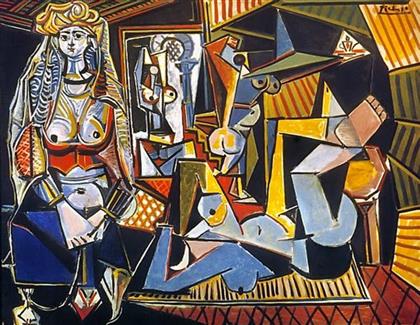
3. PABLO PICASSO. "Les Femmes d'Alger (Version" O ")," 1955
179.4 million dollars (179.4 million). Christie's New York, May 2015. Seller: Private collection, Saudi Arabia. Buyer: anonymous.


4. Amedeo Modigliani. "Nu couche (lying naked)", 1917-1918
170.4 million dollars (170.4 million). Christie's New York, November 2015. Seller: Private collection. Buyer: Liu Yiqian.


5. PABLO PICASSO. "La Reve (The Dream)", 1932
$ 155 million (157.5 million). Private sale, 2013. Sales Steve Wynn. Buyer: Steven A. Cohen.


6. FRANCIS BACON. "Three Studies of Lucian Freud", 1969
$ 142.4 million (145 million). Christie's New York, 2013. Sales Francesco De Simone Niquesa (?). Buyer: Anonymous.


7. JACKSON POLLOCK. "Number 5, 1948", 1948
140 million (165 million). Private sale, 2006. Sales David Geffen. Buyer: David Martinez.


8. Willem de Kooning. "Woman III", 1952-1953
$ 137.5 million (162 million). Private sale, 2006. Sales David Geffen. Buyer: Steven Cohen.


9. GUSTAV KLIMT. "Adele Bloch-Bauer", 1907
135 million (158 million). Private sale, 2006. Buyer: Ronald Lauder.


10. Edvard Munch. "The Scream", 1895
$ 119.9 million. Sotheby's New York, May 2012. Buyer: anonymous

The art market moves millions and expectations as they change the tastes and trends motivated by speculative galleries and private collectors, favorite pictures also change.

Reference list the ten most expensive works in 2006.


1. Gustav Klimt, "Portrait of Adele Bloch Bauer" (1912) $ 87.9 million. anonymous buyer


2. Paul Gauguin. "The man with the ax" (1891), 40.3 million anonymous buyer.


3. Gustav Klimt. "Birkenwald" (1903) 38 million anonymous buyer.


4. Ernst Ludwig Kirchner's "Berliner Straatenszene" (1913), 38 million Buyer: New German art gallery in New York.


5. Gustav Klimt. "Apfelbaum" (912) 33000000, anonymous buyer.


6. Gustav Klimt. "Hauser in Unterach am Attersee" (1916), $ 31.4 million, anonymous buyer.


7. Egon Schiele. "Eizelne Hauser" (1915), 222 400 000 anonymous buyer.


8. Amedeo Modigliani. "Venus" (1917), 15.9 million; anonymous buyer.


9. Pablo Picasso. "Tomato Plant" (1944) 13.5 million anonymous buyer.


10. Pablo Picasso. "Femmes a la fontaine" (1901) 12900000, anonymous buyer

In a next installment we will try to show the reason why such large sums are paid. Apparently, it's not always love the art that motivates the decision to purchase, for the buyer, while looking for vendors is always a great business opportunity the volatility in tastes and preferences. Clearly the result of marketing work galleries and sellers.

Inflation is remarkable in art. The highest price of 2006 (87.9 million) at the highest price in 2015 (258 400 000) is a 294% inflation. Notable business for galleries. Although it is not the same painting, the figure shows the general trend. A painting by Gustav Klimt, apparently perennial favorite with Picasso, is on both lists and the two periods a variation of 54% is shown.

It is also a shame that the paintings included in any list is enclosed in dark underground chambers, away from the world, and that the owner did not even take them out and just think of the millions who will give the sale the next buyer.

References

Las pinturas más caras jamás vendidas